Flex Air Flight School operates both Part 61 and Part 141 flight schools and has been recognized as an AOPA Distinguished and Military Friendly® Flight School. We operate flight schools in Kansas (Kansas City, and Manhattan, KS) as well as a California flight school in San Diego, CA We provide training for flight training for anyone, but focus on serving military transition pilots and service members with no prior flight training. We provide PPL, IFR, CFI and ATP training as students work to complete become a commercial airline pilots, we also run VA authorized Skillbridge program. We are Veteran, Female and Minority owned and a proud partners with the NGPA.

Top Employer

- Website
- goflexair.com
- Location
- San Diego, California
- Job Feed
- View RSS
- News Feed
- View RSS
 Flex Air career details and job information (7 jobs available)
DoD SkillBridge for Flight Training: How a Veteran With Zero Flight Hours Becomes a Pilot
.png)
FAA First-Class Medical: What Disqualifies You, What Doesn't, and Why to Take It First

Do You Need a College Degree to Become an Airline Pilot?

Why Commercial Pilot Training Is Hard to Finish

Part-Time Commercial Pilot Training in the US: 2026 Guide
How To Choose a Commercial Pilot Program in 2026

Why There Can Be a Pilot Shortage Even When CFI Hiring Slows Down
Using VR&E for Flight School: Your Step-by-Step Guide
Part 61 vs Part 141: Hour Requirements, Real Costs, and How to Choose
Is 40 Too Old to Become an Airline Pilot? Timeline, Cost, Get Hired

The direct answer
FAA First-Class Medical: What Disqualifies You, What Doesn't, and Why to Take It First
FAA First-Class Medical: What Disqualifies You, What Doesn't, and Why to Take It First
Do You Need a College Degree to Become an Airline Pilot?
No, not from the FAA, and not from any U.S. airline. A degree changes exactly one thing, and only at certain schools. Here's the rule, the exception, and how to tell which applies to you.
This article was co-authored by Flex Air President Paul Wynns, PhD (USN retired) and VP Edward Erdmann (USMC retired), who are both volunteer board members advocating for veteran benefits reform at the National Flight Training Alliance. Wynns and Erdmann are routinely invited to share their insights on VA benefits with flight school students and operators at conferences like AeroSummit.
Show Me Which Path Fits Me
30 minutes with Paul. He'll tell you if a degree buys you anything in your situation.
Why Commercial Pilot Training Is Hard to Finish
Key Takeaways:
- Financial uncertainty, not the sticker price alone, is one of the top reasons students leave flight training early.
- Irregular scheduling caused by weather, instructor turnover, and life obligations erodes training momentum over time.
- FAA written and oral exams are documented failure points that benefit from structured, one-on-one ground school preparation.
- Flex Air addresses these barriers through personalized mentorship, flexible scheduling, and 100% financing with career placement support.
- Students who pair realistic budgeting with consistent flight frequency finish faster and retain skills more effectively.
This article was authored by Flex Air President Paul Wynns, PhD (USN retired naval aviator) who is a behavioral sciences researcher at the UC San Diego Design Lab Center for Design-Driven Transformation and a volunteer board member at the National Flight Training Alliance. Wynns is routinely invited to share insights on vocational flight training with flight school students and operators at conferences like AeroSummit.
Why Do So Many Student Pilots Quit Before Earning a Commercial Certificate?
AOPA research estimates that 70 to 80 percent of student pilots leave training before earning a certificate. That number sounds alarming, but the reasons behind it are more nuanced than you might expect. Students rarely quit because flying is too difficult. They quit because the process stops feeling like progress.
Part-Time Commercial Pilot Training in the US: 2026 Guide
What Is Part-Time Commercial Pilot Training?
Part-time commercial pilot training is flight instruction designed to fit around a working professional's existing schedule. Instead of requiring full-time commitment of 40 or more hours weekly, these programs allow students to train on evenings, weekends, or during flexible blocks of time that accommodate their current jobs.
This article was authored by Flex Air President
Paul Wynns
, PhD (USN retired naval aviator) who is a behavioral sciences researcher at the UC San Diego Design Lab Center for Design-Driven Transformation and a volunteer board member at the
National Flight Training Alliance
. Wynns is routinely invited to share insights on vocational flight training with flight school students and operators at conferences like
AeroSummit
.
How To Choose a Commercial Pilot Program in 2026
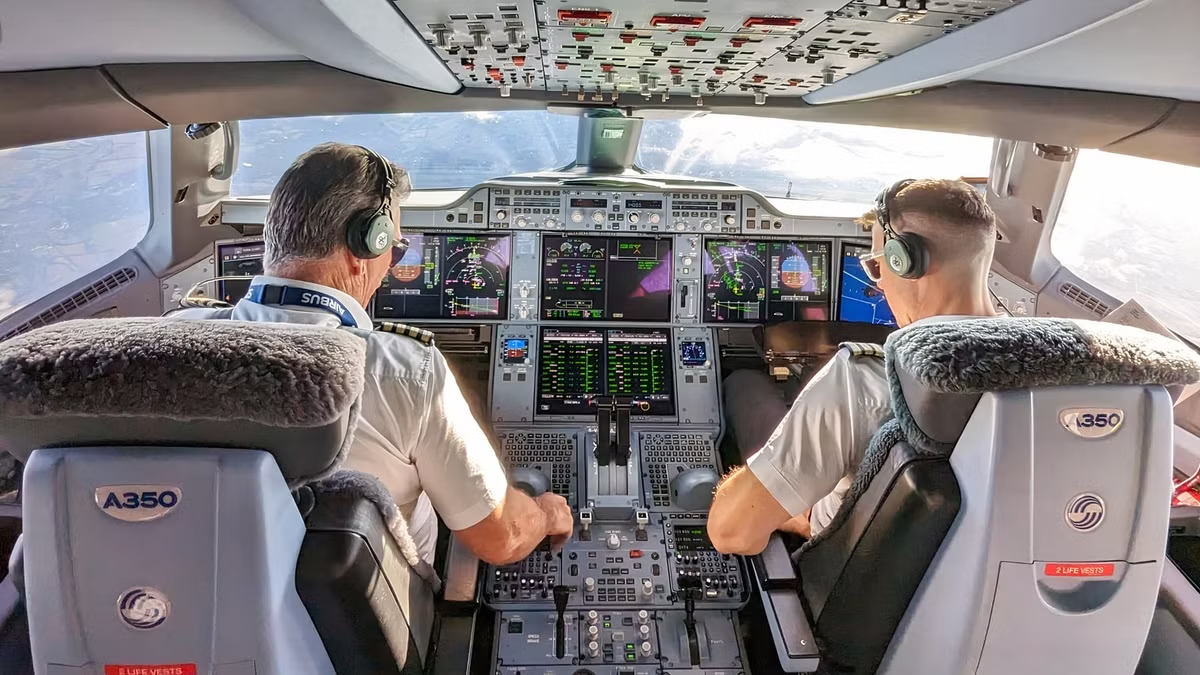
Choosing a commercial pilot training program is one of the most consequential decisions you will make if you want a career in aviation. The program you select determines how quickly you build flight hours, how much you pay, and how well-prepared you are for airline hiring. For career changers and working professionals, the decision carries additional weight because you need training that fits around existing obligations.
Flex Air has helped hundreds of pilots navigate this exact decision, and this guide covers everything you need to evaluate before committing to a
commercial pilot training program.
This article was authored by Flex Air President
Paul Wynns
, PhD (USN retired naval aviator) who is a behavioral sciences researcher at the UC San Diego Design Lab Center for Design-Driven Transformation and a volunteer board member at the
National Flight Training Alliance
. Wynns is routinely invited to share insights on vocational flight training with flight school students and operators at conferences like
AeroSummit
.
Why There Can Be a Pilot Shortage Even When CFI Hiring Slows Down
What is going on with airline hiring?
A supply-chain look at the pilot pipeline — written for the instructor watching the market cool, and the career-changer wondering if the door is closing.
I
f you are a commercial pilot or CFI looking for work right now, the market can feel like it is arguing with itself. Everyone still says there is a pilot shortage. Meanwhile, instructors are seeing slower hiring, fewer open positions, longer waits for classes, and schools that suddenly look fully staffed.
Both things are true. They only seem to contradict each other if you picture the pilot job market as one big pool of labor. It isn't. It is a pipeline — and pipelines don't move all at once.
Short version: The long-run shortage of airline pilots is still real. What changed in 2024–2025 is the pace of hiring at the very top of the pipeline, not the underlying need. Because the pilot pipeline behaves like a supply chain with a bullwhip effect, a modest slowdown in airline hiring shows up as a much sharper slowdown downstream — for regionals, flight schools, and CFIs — and it shows up on a delay. That is why the training side just posted record numbers in the same year that ATP issuance, the cleanest signal of airline hiring, fell 31%.
Let me walk through why, the way I would on a call — first the mechanism, then what it means from your seat, whether that seat is an instructor's or a beginner's.
This article was authored by Flex Air President
Paul Wynns
, PhD (USN retired naval aviator) who is a behavioral sciences researcher at the UC San Diego Design Lab Center for Design-Driven Transformation and a volunteer board member at the
National Flight Training Alliance
. Wynns is routinely invited to share insights on vocational flight training with flight school students and operators at conferences like
AeroSummit
.
Using VR&E for Flight School: Your Step-by-Step Guide
Veteran Owned, Veteran Operated
Our Mission: Be the best flight school for veterans.
At Flex Air Flight School, y
ou can use VR&E (Chapter 31) to pay for flight training, and unlike the GI Bill, it can cover you without annual spending limits. The catch is that you must convince your VA counselor (“VRC”) that your claim is valid, aligned with your disability, and well-researched. This dynamic kills more claims than it should - you MUST be prepared for every interaction with your VRC and treat every conversation as if you’re in an episode of “Shark Tank”.
What follows is how the benefit pays, how it stacks with the GI Bill and SkillBridge, and how veterans get approved. Additional
VR&E flight training
is available with more generous benefits and the
DoD SkillBridge Program can be used to begin flight training on active duty, with full pay and benefits.
Making the most of these benefits can be complicated, we are the experts. We want you to get the most out of your benefits, so prepare for a deep dive into your options to pay for flight training.
This article was co-authored by Flex Air President
Paul Wynns
, PhD (USN retired) and VP
Edward Erdmann
(USMC retired), who are both volunteer board members advocating for veteran benefits reform at the
National Flight Training Alliance
. Wynns and Erdmann are routinely invited to share their insights on VA benefits with flight school students and operators at conferences like
AeroSummit
.
Part 61 vs Part 141: Hour Requirements, Real Costs, and How to Choose
Part 61 and Part 141 lead to the exact same pilot certificates. The practical difference comes down to 3 things — required hours, structure, and cost — and how much it matters depends on which rating you're training for. Short version: for a focused career track, a Part 141 core usually wins on hours and cost, especially for the instrument and commercial certificates; if you're training around a job or family, Part 61's flexibility is worth more. What follows is the breakdown, rating by rating, and the thing that matters more than either one.
Is 40 Too Old to Become an Airline Pilot? Timeline, Cost, Get Hired
Am I too old to become an airline pilot?
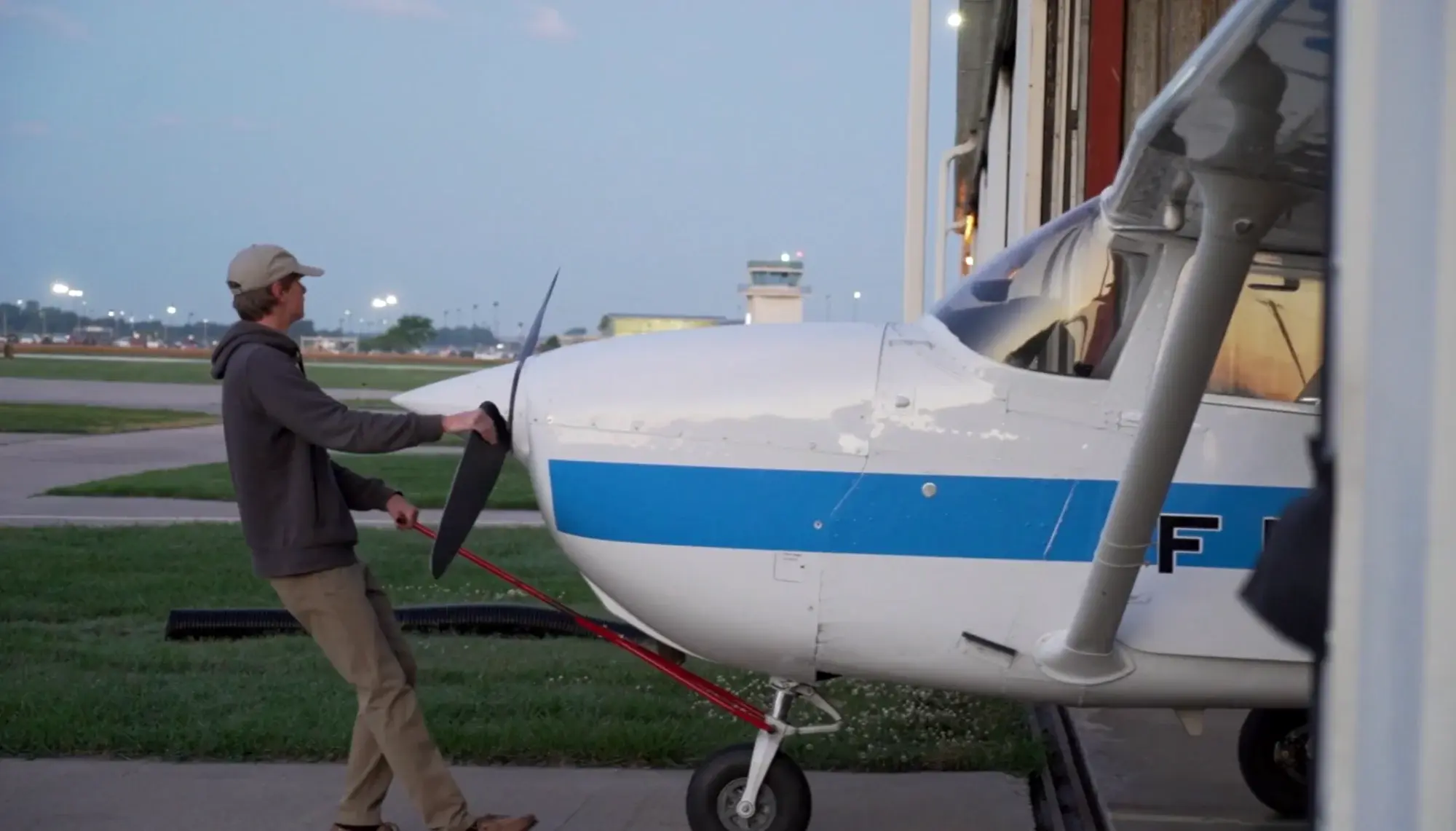
Absolutely not. 40 is not too old to become an airline pilot. You can start from zero at 40, be flying for a regional airline in your early 40s, and still put in close to twenty years before the mandatory retirement age of 65. What follows is the timeline, what it costs and how career changers pay for it, and the question sitting underneath all of it — whether an airline will hire you.
View all job opportunities with Flex Air
Get recommended to Flex Air